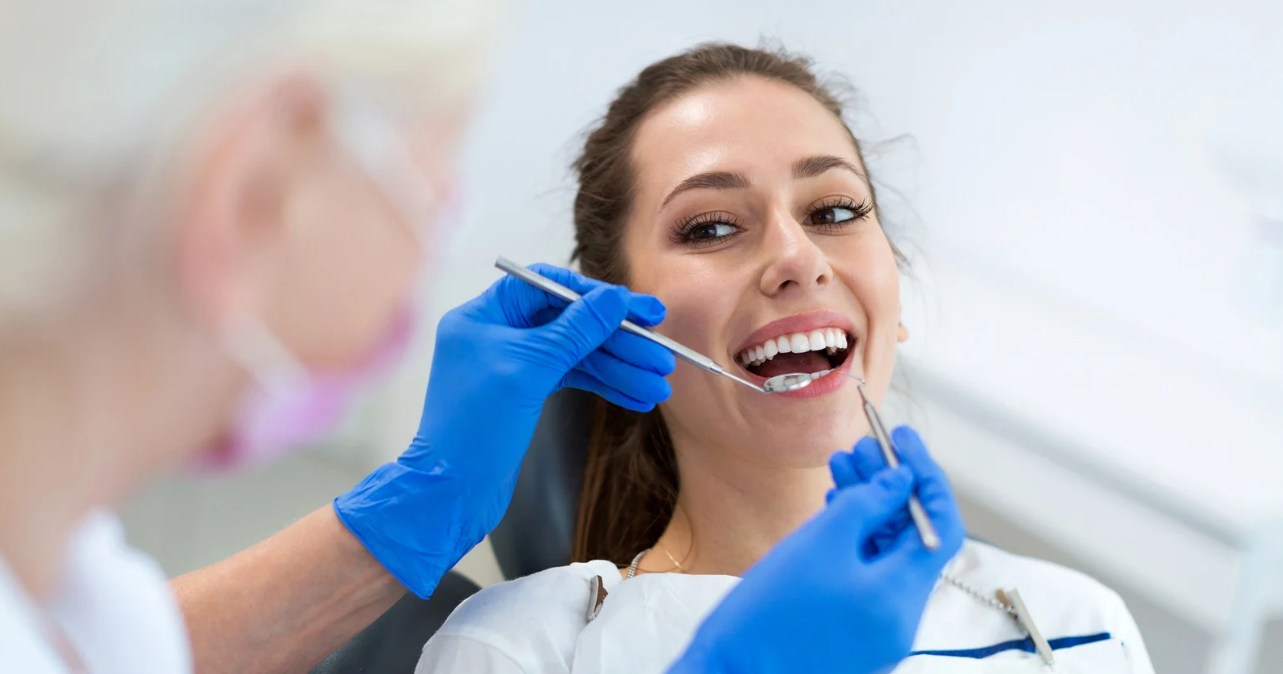
How Your Dentist Can Solve Sleep Apnea and TMJ Pain

It might seem surprising, but the key to a silent, restful night's sleep and a life free from chronic jaw pain might not lie with a sleep specialist or a neurologist, but with your dentist. The fields of dentistry, sleep medicine, and musculoskeletal health are converging in exciting ways. We are discovering that the intricate structures of your mouth, jaw, and airway are deeply interconnected. A problem in one area can cascade, causing debilitating symptoms in another.
Two of the most common and misunderstood conditions at the center of this convergence are Obstructive Sleep Apnea (OSA) and Temporomandibular Joint Disorder (TMD), often just called TMJ pain. On the surface, one is a breathing disorder that happens during sleep, and the other is a painful jaw problem. Yet, for millions of people, these two conditions are part of the same complex puzzle.
This post will explore the hidden but powerful link between your bite, your jaw, and your breathing. We will demystify sleep apnea and TMJ pain, uncover how they are related, and, most importantly, explain the modern, effective, and often life-changing solutions your dentist can provide. If you've been struggling with fatigue, snoring, headaches, or jaw clicking, the answer you've been searching for could be waiting at your next dental checkup.
Sleep apnea is a serious sleep disorder in which a person's breathing repeatedly stops and starts throughout the night. The most common form, and the one most relevant to dentistry, is Obstructive Sleep Apnea (OSA).
During sleep, the muscles in your body naturally relax. For someone with OSA, the muscles in the back of the throat—such as the tongue and soft palate—relax too much. This causes them to collapse and block the upper airway. Think of it like a soft, flexible straw being pinched closed.
When this happens, you stop breathing. This blockage can last for ten seconds or even longer, and it can happen hundreds of times per night. Your brain, sensing the dangerous drop in oxygen levels, jolts you partially awake to reopen the airway. This jolt is often so brief you won't remember it, but it's enough to completely shatter your natural sleep cycle, preventing you from ever reaching the deep, restorative stages of sleep.
Because these episodes happen during sleep, many people with OSA have no idea they have it. Often, it's a bed partner who first notices the alarming symptoms.
Common signs and symptoms of Obstructive Sleep Apnea include:
It's crucial to understand that OSA is not just a lifestyle nuisance; it is a significant medical condition with severe, long-term health consequences. Each time your breathing stops, your blood oxygen levels plummet, and your body enters a state of high alert. Your heart is forced to work harder, and your blood pressure spikes to push the oxygen-deprived blood through your body.
When this happens hundreds of times every night, the cumulative strain on your system is immense. Untreated sleep apnea is directly linked to a host of serious health problems:
Your Temporomandibular Joint (TMJ) is one of the most complex joints in your body. You have two of them, one on each side of your face, just in front of your ears. These joints act as sliding hinges, connecting your jawbone (mandible) to your skull. This joint, along with the intricate network of muscles and ligaments surrounding it, is what allows you to talk, chew, yawn, and make a wide range of facial expressions.
Temporomandibular Disorder (TMD) is the official medical term for the pain and dysfunction that arise when something goes wrong with this joint or, more commonly, the muscles that control it. "TMJ" is the name of the joint itself, while "TMD" is the name of the disorder.
TMD can manifest in a wide variety of symptoms, ranging from mildly annoying to truly debilitating. The pain can be temporary or last for years, and it can affect one or both sides of your face.
Common signs and symptoms of TMD include:
TMD is often complex, with no single, clear-cut cause. In many cases, it's a result of multiple factors working in combination. Some of the most common contributing factors include:
This is where the two seemingly separate conditions—OSA and TMD—collide. The connection is so strong that healthcare professionals are now finding it's often impossible to treat one without addressing the other.
For a long time, bruxism (teeth grinding) was thought to be a primary cause of TMD. But now we understand it's often a symptom of something else: a compromised airway.
Here's the chain of events:
In this scenario, the sleep apnea is the disease, and the bruxism is the symptom. This nightly, high-intensity grinding places an incredible amount of force on your jaw joints and muscles, leading directly to the inflammation, pain, and damage of TMD. You are, in effect, desperately fighting for air with your jaw all night long.
Conversely, the anatomical structures that contribute to TMD—such as a small or recessed lower jaw (retrognathia)—can also be a primary cause of OSA by creating a smaller, more collapsible airway to begin with. It's a true chicken-and-egg problem, and both conditions must be assessed together.
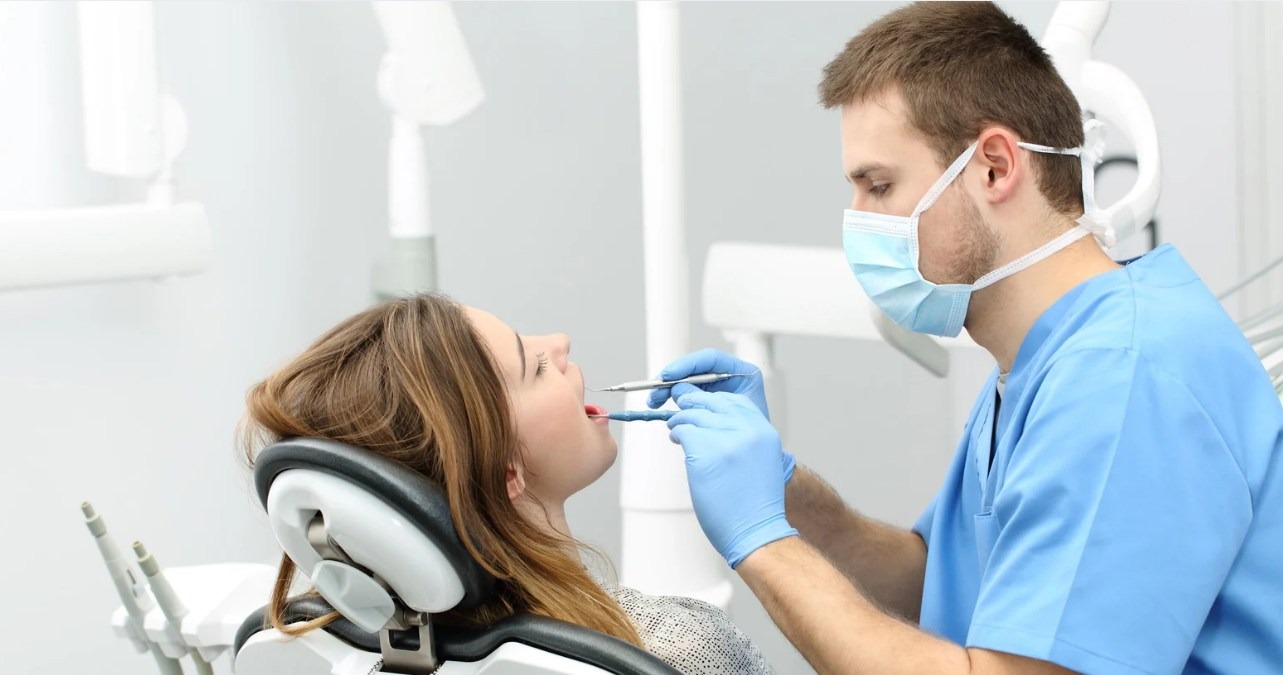
You might only see your family doctor once a year, but you likely see your dentist twice a year for cleanings and checkups. This puts dental professionals in a unique and powerful position to be the first-line screeners for both TMD and sleep apnea.
Dentists are not just "tooth doctors"; they are experts in the entire oral and maxillofacial system (the mouth, jaws, and face). During a routine exam, they are trained to spot the subtle, silent signs of these disorders that often go unnoticed for years.
What your dentist looks for:
By asking the right questions and performing a thorough examination of your teeth, jaw, and airway, your dentist can identify you as high-risk and be the first to connect the dots between your snoring, your headaches, and your worn teeth.
Once a dentist suspects you may have sleep apnea, they will typically refer you to a sleep specialist or your family physician for a formal diagnosis. This usually involves an overnight sleep study (polysomnogram), which can be done in a lab or with a take-home kit. This study will officially diagnose the presence and severity of sleep apnea.
If you are diagnosed with mild to moderate sleep apnea—or if you have severe apnea but cannot tolerate a CPAP machine—your dentist can offer a highly effective, frontline medical treatment.
The primary dental solution for OSA is Oral Appliance Therapy (OAT). This involves creating a custom-fitted dental device, similar to a sports mouthguard or an orthodontic retainer, that you wear only while you sleep. The most common and effective type of device is a Mandibular Advancement Device (MAD).
How it works: A MAD is custom-made to fit your upper and lower teeth. It works by gently repositioning your lower jaw (mandible) slightly forward and down. This simple, subtle change in posture has a profound effect on your airway:
Benefits of Oral Appliance Therapy:
For patients who are good candidates, OAT offers significant advantages, especially over the traditional CPAP (Continuous Positive Airway Pressure) machine:
For patients suffering from TMD—whether it's caused by sleep apnea-related bruxism or other factors—dentists have a range of effective, non-surgical treatments aimed at relieving pain, protecting the teeth, and restoring proper jaw function.
A dentist specializing in TMD will conduct a thorough examination that goes far beyond just looking at your teeth. This may include:
This is the most common and effective dental treatment for TMD and bruxism. It's important to distinguish a professionally made, custom-fitted splint from a cheap, over-the-counter "boil-and-bite" guard.
An Occlusal Splint (or night guard) is a custom-fabricated acrylic device made from precise models of your teeth. Its purpose is twofold:
Sleep apnea and TMJ pain are far more than just inconveniences. They are complex medical conditions that can steal your energy, fill your days with pain, and seriously compromise your long-term health. The new frontier of dentistry has revealed the intricate connection between how you breathe, how you sleep, and the health of your jaw.
You do not have to live with the daily exhaustion of sleep apnea or the chronic pain of TMD. Effective, comfortable, and non-invasive solutions are available. Your dentist is a key partner in this journey, equipped with the specialized knowledge to screen, diagnose, and treat these conditions at their source. By addressing the root anatomical and functional issues in your mouth and jaw, you can protect your teeth, silence your snoring, and finally get the deep, restorative sleep your body and mind desperately need.
If you are experiencing symptoms of sleep apnea or TMJ pain, such as snoring, fatigue, or jaw discomfort, don't wait for the problem to worsen. Contact Newbury Dental today to schedule a comprehensive consultation. Our team is dedicated to helping you find lasting relief and improve your overall health.

We look forward to meeting you! Call 780-760-3033, email info@newburydental.ca, or request an appointment online to set up your first visit. We’ll be in touch soon!