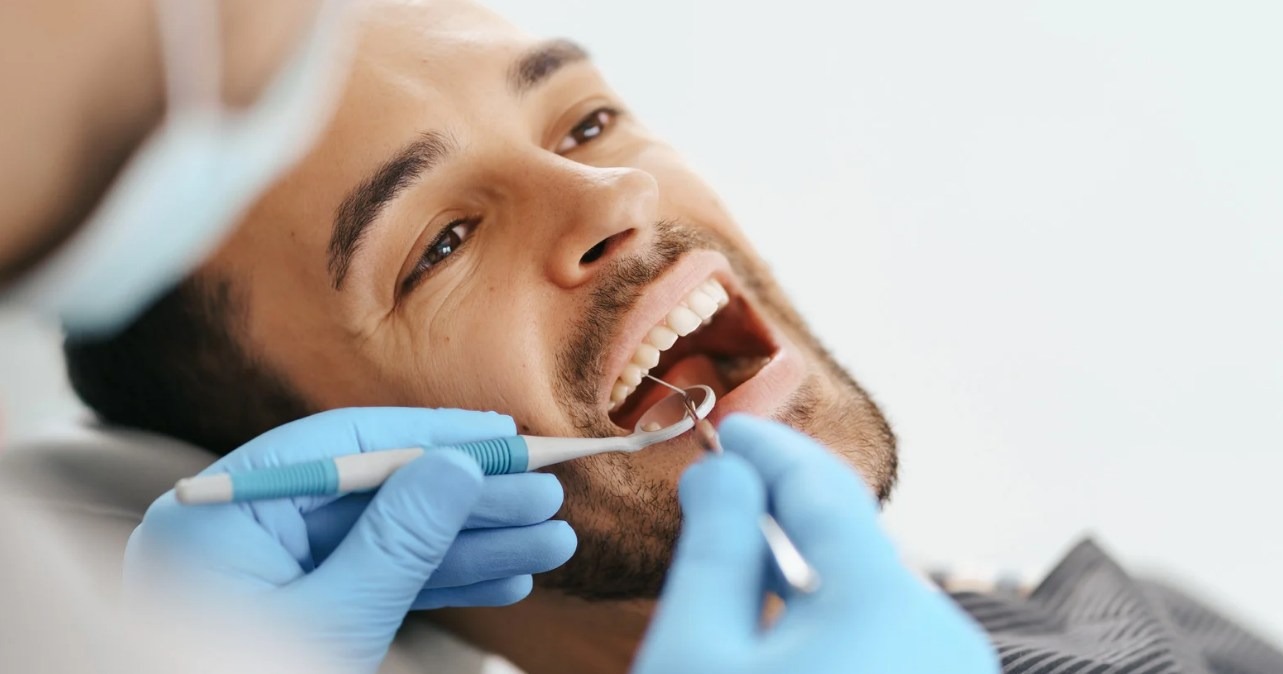
Your smile is often the first thing people notice about you. It communicates confidence, warmth, and vitality before you even speak a word. However, for many individuals, imperfections such as chips, gaps, discoloration, or minor misalignment can turn smiling into a source of self-consciousness rather than joy. Fortunately, modern cosmetic dentistry offers powerful solutions to transform these insecurities into assets.
When you start researching smile makeovers, two terms inevitably rise to the top of the list: Porcelain Veneers and Composite Bonding. While both treatments are designed to improve the aesthetics of your teeth, they are fundamentally different in terms of materials, application techniques, longevity, and cost. Choosing between them is not just a matter of price; it is about finding the right fit for your dental health, lifestyle, and long-term aesthetic goals.
This comprehensive guide will walk you through everything you need to know about these two popular procedures. By understanding the nuances of porcelain versus composite resin, you can feel empowered to have an informed conversation with your dentist and make the best decision for your future smile.
Understanding the Basics: What Are They?
Before diving into the comparisons, it is essential to understand what these treatments actually entail. Both fall under the umbrella of "veneers" in the broad sense—they cover the front surface of the tooth—but the way they achieve this varies significantly.
What Are Porcelain Veneers?
Porcelain veneers are thin, custom-made shells crafted from high-quality dental ceramic. Think of them as similar to a false fingernail, but designed for your tooth and made of a material that mimics the strength and light-reflecting properties of natural enamel.
These veneers are "indirect" restorations. This means they are not made directly on your teeth. Instead, they are fabricated in a dental laboratory by a skilled ceramist based on a precise mould or digital scan of your mouth. Because they are baked in a high-heat oven, porcelain veneers are incredibly durable and glass-like. They are bonded permanently to the front of your teeth to change their colour, shape, size, or length.
What Is Composite Bonding?
Composite bonding, often referred to as "composite veneers" or "dental bonding," uses a tooth-colored resin material—the same material used for white fillings. Unlike porcelain, which is a solid piece of ceramic, composite resin is a putty-like substance that the dentist applies directly to your tooth.
This is considered a "direct" restoration. The dentist sculpts the resin by hand, moulding it to the desired shape right in your mouth. Once the shape is perfect, a high-intensity curing light is used to harden the material. The result is a seamless addition to your tooth that covers imperfections. While it can be used to cover the entire front surface of a tooth (a composite veneer), it is also frequently used to fix smaller, localized issues like a chipped edge or a small gap.
The Procedure: A Step-by-Step Comparison
One of the biggest differences between porcelain and composite options is the process itself. The "chair time" and the number of visits required can be deciding factor for patients with busy schedules or those with dental anxiety.
The Porcelain Veneer Process
Getting porcelain veneers is typically a multi-step process that spans two or three appointments over a few weeks.
Consultation and Planning: The process begins with a comprehensive exam. Your dentist will take X-rays and photos to ensure your teeth are healthy enough for veneers. You will discuss your aesthetic goals—do you want a "Hollywood white" smile or a more natural, subtle enhancement?
Preparation: At the second appointment, the teeth are prepared. Because porcelain veneers have a distinct thickness (usually 0.5mm to 1mm), a thin layer of your natural tooth enamel must be removed to accommodate them. This ensures the veneers don’t look bulky or fake. Local anesthesia is usually required for this step.
Impressions: Once the teeth are prepped, the dentist takes a highly accurate impression or digital scan. This is sent to the dental lab.
Temporaries: Because your natural teeth now have less enamel, they may be sensitive. The dentist will create temporary acrylic veneers for you to wear while the permanent ones are being made. This also acts as a "test drive" for your new smile design.
Bonding: About 1-2 weeks later, you return for the final placement. The dentist removes the temporaries, cleans the teeth, and uses a strong dental cement to permanently bond the porcelain shells to your teeth. Any final adjustments to the bite are made then.
The Composite Bonding Process
Composite bonding is often marketed as a "same-day smile" because it can usually be completed in a single visit.
Consultation: Just like with porcelain, you start with a discussion about your goals. However, if your teeth are healthy, you can often proceed to treatment immediately after the consultation.
Preparation: Minimal to no preparation is required. In many cases, the dentist does not need to drill or remove any enamel, meaning anesthesia (freezing) is often unnecessary.
Etching and Conditioning: The tooth surface is cleaned and etched with a mild acidic gel. This creates a microscopic rough texture that helps the bonding agent adhere securely to the tooth.
Layering and Sculpting: The dentist applies the composite resin in layers. They will carefully select a shade that matches your surrounding teeth perfectly. Using specialized tools, they sculpt the resin to the correct shape and texture.
Curing and Polishing: A UV light is used to harden each layer of resin. Once the final shape is achieved and cured, the dentist polishes the tooth to give it a smooth, natural shine.
Aesthetics: Which Looks More Natural?
When it comes to cosmetic dentistry, the "gold standard" for aesthetics is generally considered to be porcelain. However, modern composite materials have advanced significantly, narrowing the gap.
The Translucency of Porcelain
Porcelain is a ceramic glass. Its optical properties are nearly identical to natural tooth enamel. Natural teeth are not opaque blocks of white; they are translucent, meaning light passes through the outer enamel layer and reflects off the underlying dentin. Porcelain mimics this depth and light-handling capability perfectly.
Because they are glazed in a laboratory, porcelain veneers have a lifelike lustre that is difficult to replicate with other materials. They are resistant to dulling over time, meaning that the "wet," glossy look of a healthy tooth is maintained for years.
The Appearance of Composite
Composite resin can look beautiful and very natural, especially when placed by a dentist with an artistic eye. High-quality resins come in various opacities and shades, allowing the dentist to blend the material seamlessly with the natural tooth structure.
However, composite resin is essentially a plastic matrix filled with glass or ceramic particles. It does not have the same inherent translucency as pure porcelain. Over time, composite can lose its polish and become more matte. It absorbs light differently than enamel, which can sometimes make the teeth look slightly "flatter" or more opaque compared to the depth seen in porcelain.
Durability and Longevity
This is often the most critical factor for patients weighing the cost versus the value of the investment.
Porcelain: The Long-Term Investment
Porcelain is an extremely hard material. Once bonded to a healthy tooth, it reinforces the tooth structure and is incredibly resistant to forces.
Lifespan: On average, porcelain veneers last between 10 to 15 years. With excellent oral hygiene and regular check-ups, they can last even longer—up to 20 years in some cases.
Wear: Porcelain is highly resistant to abrasion. You are unlikely to see significant wear on the biting edges of porcelain veneers, even after years of use.
Composite: The Mid-Term Solution
Composite bonding is durable, but it is not as strong as porcelain or natural enamel.
Lifespan: Composite bonding typically lasts between 5 to 7 years. It serves as a fantastic medium-term solution but will eventually need to be refreshed or replaced.
Wear: The resin material can chip or wear down over time, especially if you have habits like nail-biting, chewing on ice, or grinding your teeth (bruxism). However, one major advantage is that if composite chips are used, they can be easily repaired in a single short visit. Porcelain, if chipped, usually requires the entire veneer to be replaced.
Stain Resistance
If you are a coffee lover, a red wine enthusiast, or enjoy dark berries, stain resistance is a crucial consideration.
Porcelain: Porcelain is non-porous and glass-like. It is practically impervious to staining. You can drink coffee, tea, and wine without worrying about your veneers turning yellow. The colour you choose on day one is the colour you will have 10 years later.
Composite: Composite resin is slightly porous. Over time, it acts somewhat like natural tooth enamel and will absorb pigments from food, drink, and tobacco smoke. Composite bonding will eventually yellow or darken, much like your natural teeth do. While professional polishing can remove surface stains, deep discoloration may require the bonding to be replaced. Whitening treatments (bleaching) generally do not work on composite resin, so if your bonding stains, you cannot simply bleach it back to white.
The "Prep" Factor: Reversibility
This is a major psychological factor for many patients. How much of your natural tooth do you have to give up?
Porcelain (Irreversible): Because porcelain veneers require the removal of a thin layer of enamel to fit properly, the process is considered irreversible. Once you have porcelain veneers, you will always need veneers (or crowns) on those teeth. You cannot go back to your "naked" teeth because the protective enamel has been compromised.
Composite (Reversible): Composite bonding is an additive procedure. In most cases, the dentist is adding material to the tooth rather than taking it away. This makes it a minimally invasive and often reversible option. If you decide years later that you want to remove the bonding, it is often possible to polish it off and return to your natural teeth, provided no significant enamel was removed during the initial placement.
Comparison of Maintenance Needs
While neither option requires a complex maintenance routine, there are differences in how you care for them to maximize their lifespan.
Maintaining Porcelain Veneers
Daily Care: Brush twice a day with a non-abrasive toothpaste and floss daily. Avoid toothpastes with baking soda or harsh whitening grits, as these can microscopically scratch the glaze over time.
Habits: Do not use your teeth as tools (opening packages, tearing tape). Avoid biting directly into very hard foods like candy apples or crusty bread with your front teeth; cut them up instead.
Protection: If you grind your teeth at night, a custom night guard is non-negotiable to prevent fracturing the porcelain.
Maintaining Composite Bonding
Daily Care: Same as porcelain—brush and floss meticulously. Good hygiene is vital to prevent decay at the margins where the bonding meets the tooth.
Stain Management: You may need to be more careful with staining foods. Rinsing your mouth with water after drinking coffee or red wine can help.
Professional Maintenance: Composite bonding requires more frequent maintenance at the dental office. The resin needs to be polished regularly during your hygiene visits to maintain its shine and resistance to staining. You may also need minor touch-ups every few years to smooth out rough edges or chips.
Cost Comparison
It is important to view these procedures as an investment in yourself. While prices vary based on location and the complexity of the case, the relative difference remains consistent.
Porcelain Veneers: These are the premium option. The cost reflects the lab fees, the high cost of the ceramic materials, and the specialized time of the dentist. You are paying for a long-lasting, durable medical device.
Composite Bonding: This is generally much more affordable, often costing half or even a third of the price of porcelain veneers per tooth. There are no lab fees involved since the dentist does the work chairside. For patients on a budget, bonding allows for significant aesthetic improvements without the higher upfront price tag.
Pros and Cons Summary
To help summarize the differences, here is a quick breakdown of the strengths and weaknesses of each approach.
Porcelain Veneers
Pros:
Superior aesthetics with natural translucency.
High resistance to staining and discoloration.
Long lifespan (10-15+ years).
Strong and durable material.
Custom-manufactured for a precise fit.
Cons:
Higher cost.
Requires the removal of healthy tooth enamel.
Irreversible procedure.
Takes multiple appointments.
Difficult to repair if chipped (usually requires replacement).
Composite Bonding
Pros:
More affordable/budget-friendly.
Completed in a single visit (instant results).
Minimally invasive (little to no enamel removal).
Reversible in many cases.
Easy to repair if chipped.
Cons:
More prone to staining and discoloration over time.
Shorter lifespan (5-7 years).
Less durable; more prone to chipping.
It can lose its shine and require repolishing.
Aesthetics rely heavily on the dentist’s artistic hand-sculpting skills.
Who Is the Ideal Candidate?
Choosing between porcelain and composite often comes down to your specific dental profile and what you are trying to correct.
You might be the ideal candidate for Porcelain Veneers if:
You are looking for a significant, permanent "smile makeover."
Your teeth are worn down, short, or have significant spacing issues.
You want a solution that is low maintenance regarding stains.
You are willing to invest more upfront for a result that lasts a decade or more.
You might be the ideal candidate for Composite Bonding if:
You have minor cosmetic issues like a single chipped tooth, small gaps, or mild misalignment.
You are younger and want to preserve your natural tooth structure for as long as possible.
You are on a budget but still want to improve your smile.
You are looking for an immediate solution for a special event (like a wedding or graduation).
You want to "test drive" a new smile shape before committing to permanent porcelain veneers later in life.
Conclusion
Both porcelain veneers and composite bonding are exceptional tools in the world of cosmetic dentistry. They both have the power to transform a smile, boost self-esteem, and correct functional or aesthetic issues.
The decision ultimately rests on a balance of priorities. If you prioritize longevity, stain resistance, and the ultimate natural look, porcelain is the clear winner. If you prioritize preserving natural tooth structure, lower cost, and reversibility, composite bonding is an excellent choice.
Regardless of which path you choose, the skill of your dentist is paramount. Both procedures require a blend of medical knowledge and artistic vision to create a smile that looks harmoniously balanced with your face. A consultation is the first step toward understanding which material will give you the results you have been dreaming of.
If you are ready to explore the possibilities for your smile, we are here to help guide you through the process with honesty and expertise.
At Newbury Dental, we combine a passion for people with a passion for dentistry to create a modern, relaxing experience for every patient. Whether you are interested in the durability of porcelain veneers or the versatility of composite bonding, our dedicated team in South Edmonton is ready to help you achieve your smile goals. Contact us today to schedule your consultation.
We look forward to meeting you! Call 780-760-3033, email info@newburydental.ca, or request an appointment online to set up your first visit. We’ll be in touch soon!